Improver Programs for Smallholder Shrimp Farms
Defining Critical Elements
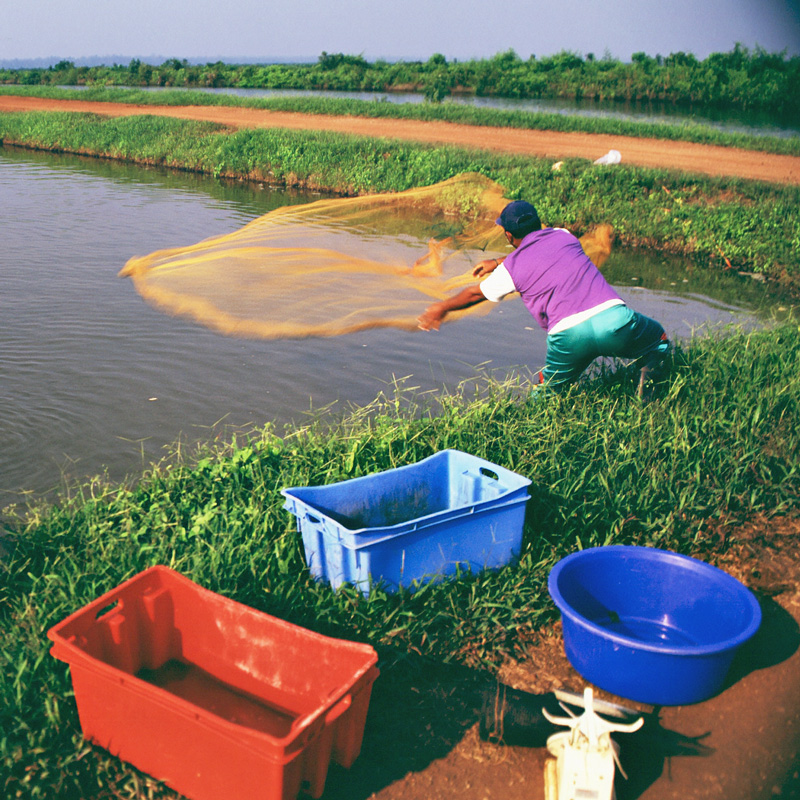
Smallholder shrimp farms produce most of the world’s farmed shrimp, yet they face steep challenges such as rising production costs, disease risks, environmental pressures, limited access to finance, fragmented supply chains, and hurdles to certification due to the realities of smallholder farming. This session will examine how improver programs can provide a practical, cost-effective pathway toward responsible production by focusing on farmer education, local technical support, improved data collection and traceability, affordable assessment models, and stronger market incentives. Speakers will discuss innovative approaches for organizing farms into clusters, leveraging digital technologies, engaging buyers, and developing standards tailored to smallholder operations. The ultimate goal is to improve farmer livelihoods while advancing environmental stewardship, transparency, and long-term sustainability throughout the global shrimp value chain.
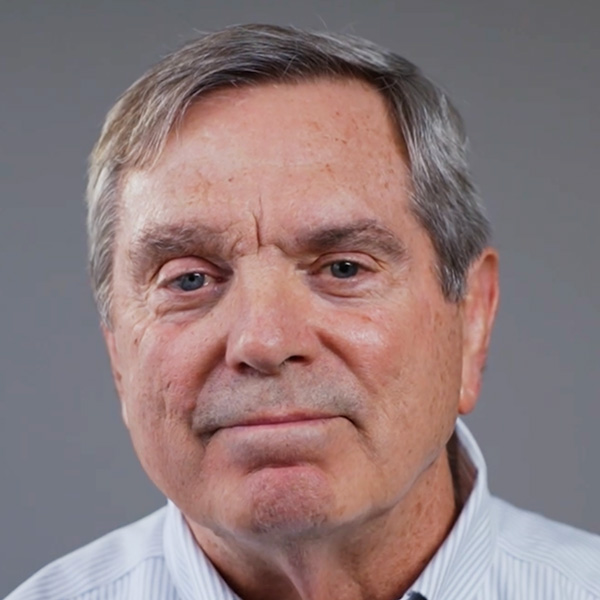
Dr. George Chamberlain started his aquaculture career in 1975 as a researcher, instructor, and Extension Aquaculture Specialist at Texas A&M University. For the next ten years, he directed the aquaculture programs at Ralston Purina International and Monsanto. From 1999 to 2020, he founded and managed several shrimp breeding, nutrition, and farming companies ultimately known as Kona Bay with operations in Malaysia, Brunei, and Hawaii. Concurrent with his commercial activities, Chamberlain served as a Board member and President of the World Aquaculture Society and later helped found both the Global Aquaculture Alliance (GSA) and The Center for Responsible Seafood (TCRS). He continues to serve as board member of GSA and President of TCRS.
Antonio Santa Marta is the Global Shrimp Initiative Lead at The Nature Conservancy, where he leads initiatives to improve sustainability across shrimp farming supply chains in Ecuador, India, Thailand, and Indonesia. With nine years of experience in the seafood industry, Antonio specializes in aquaculture sustainability, traceability, and technology-driven solutions. His work spans Southeast Asia and Latin America, with additional experience in aquaculture risk management across Europe, North America, and the Middle East. Through partnerships with producers, seafood companies, and NGOs, he helps drive practical solutions that support both environmental and business outcomes.
Paul Bulcock is responsible for developing and maintaining aquaculture information in SFP’s systems (e.g., FishSource, AIP Directory, Metrics). He also supports development and implementation of aquaculture strategy through research and analysis.
Paul has extensive program support and aquaculture research experience, particularly in Southeast Asia, having worked for the Network of Aquaculture Centers in Asia-Pacific (NACA) and DFID’s Aquaculture and Fish Genetics Research Programme (AFGRP) at the Institute of Aquaculture, in Stirling, UK. He has an MSc in aquaculture from the University of Stirling and a BSc in marine and fisheries zoology from the University of Aberdeen.
Dominique Gautier is a marine biologist from France, specializing in aquaculture with a doctorate degree from Auburn University, USA.
Dr. Gautier has over 35 years of experience working with both private and public organizations on research, development and commercial projects and organizations in the Americas, Asia, Europe and Africa.
Dr. Gautier is the Director of Sustainability of Seafresh Group, where he is responsible for guiding the sustainable development of the organization, and continuously improving the environmental and social performance of company’s operations and aquaculture and fisheries supply chains. It involves developing innovative solutions and leading collaborations with partner organizations.
Dr. Gautier regularly serves on international programs, committees and expert panels for addressing technical, sustainability and ethical aspects of the aquaculture and seafood industries.
Ken Corpron participates in the Program Integrity unit of GSA’s Best Aquaculture Practices certification program as a senior analyst and serves as the Chair of the BAP/BSP Standards Oversight Committee. He has been affiliated with GSA since it was originally organized as the Global Aquaculture Alliance in 1997. He studied fisheries and aquaculture at the University of Washington in Seattle, and has worked for over 40 years in the aquaculture sector in the USA, Asia, and Africa, spanning R&D in the feed and farming sectors; commercial farm production of trout, ornamental fish, and shrimp; and seafood certification.
Kate O’Rourke is Deputy Executive Director at FishWise, where she implements the organization’s strategy and leads impact measurement to advance FishWise’s mission of sustaining ocean ecosystems and the people who depend on them by transforming global seafood supply chains. Previously, she served as Chief of Party for the Seafood Alliance for Legality and Traceability (SALT), a global initiative that brought together governments, industry, and civil society to advance seafood legality and traceability, including in tuna supply chains. Through this work, she advanced traceability adoption and collaboration to help governments and industry better understand complex seafood supply chains, identify IUU fishing risks, and target resources where they can have the greatest impact.
With more than seven years at the Aquaculture Stewardship Council (ASC), Pla Duangchai supports producers and supply chains across Asia in building capacities and adopting responsible farming practices through the ASC Improver Programme and Aquaculture Improvement Project (AIP).
Drawing on her extensive experience working directly with producers and stakeholders, Pla has developed a strong understanding of the challenges they face, and the practical approaches required to make certification and improvement initiatives both feasible and impactful small-scale and commercial producers. Prior to joining ASC, Pla gained 20 years of professional experience working in Aquatic Research Institute, Seafood Processing company, Certification and accreditation body, and International not-for-profit organisations. Her broad expertise covers environmental management, social and human rights, certification systems, urban development, and responsible aquaculture development.